



Weingut Frischengruber is a family estate in Rührsdorf, on the quieter south bank of the Danube in the Wachau. While the coach tours crowd the opposite shore, this side of the river offers apricot orchards, small villages and steep terraced vineyards with a view straight across to Dürnstein. It’s a very good place to taste what the Wachau is really about.
Since 1842, and Now Organic
The Frischengruber family has been rooted in Rührsdorf since 1842, developing the estate generation by generation. Today Georg and Sandra Frischengruber run the winery, and they manage it organically, with certified organic status shown on their wines. Their aim is to combine the region’s long traditions with a modern, sustainable approach in the vineyard and cellar.
The estate is a member of Vinea Wachau, the association that defines the famous Wachau categories and guarantees that its members use only grapes grown in the region. That membership matters here, because it’s what lets a winery use the much-loved Wachau terms on its labels.
Federspiel and Smaragd
If you’re new to the Wachau, the labels can look like a code. They’re actually fairly simple. Federspiel wines are lighter and crisper, ideal for lunch. Smaragd wines come from riper grapes and have more body and depth, named after the emerald lizard that suns itself on the stone terraces.
Frischengruber’s range covers Grüner Veltliner, Riesling, Muskateller and Weißburgunder. The Grüner Veltliner Federspiel from the Frauenweingärten is a bright, easy introduction, and there’s a Rossatz Federspiel too. The Smaragd wines come from the estate’s best vineyards: Kirnberg and Kreuzberg for both Grüner Veltliner and Riesling, and Goldberg for Riesling. Each site has its own character, so tasting them side by side is half the fun.
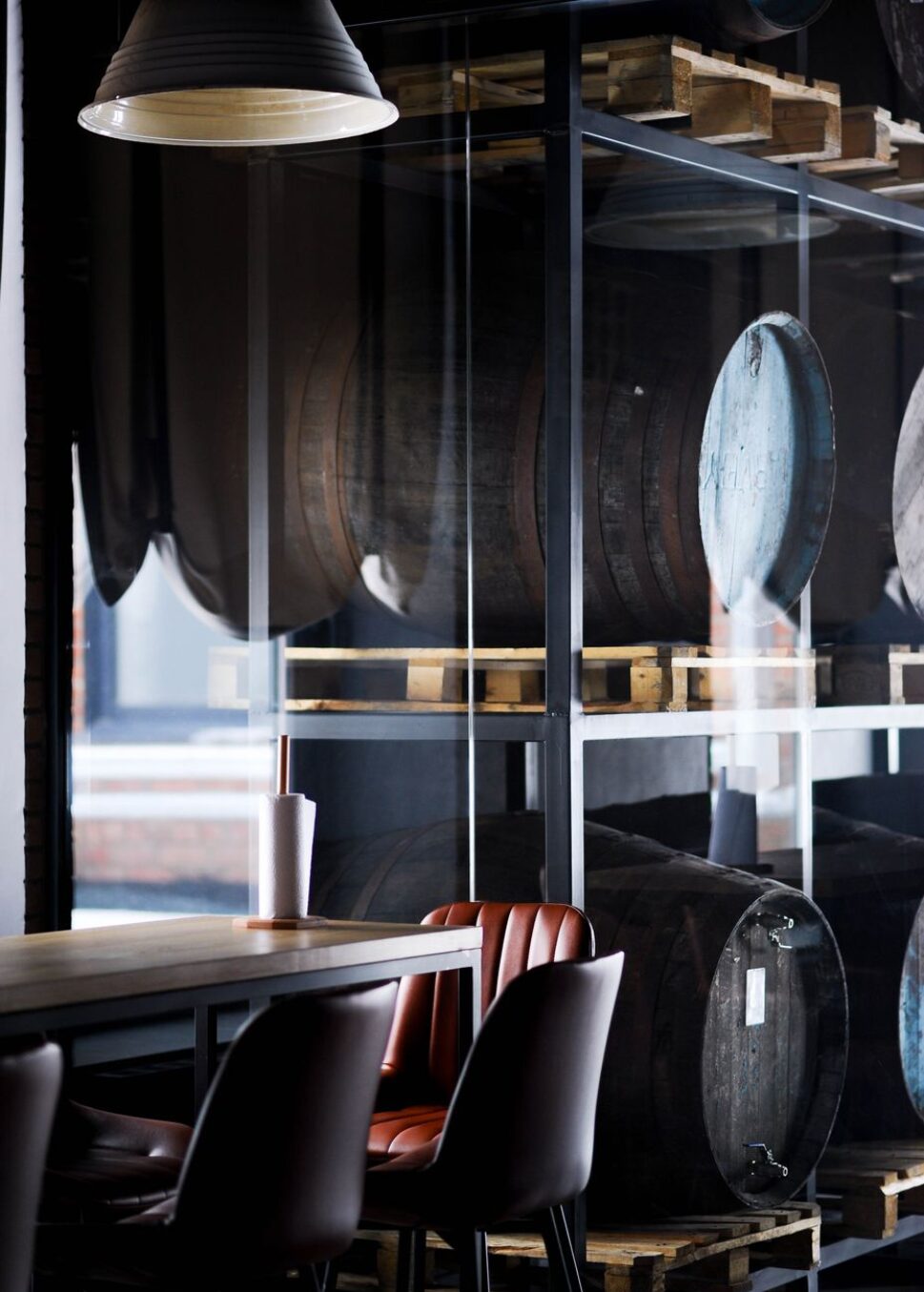
Then there’s Meine Welt, Georg’s personal project. These wines ferment spontaneously in 300 and 500 litre oak barrels and stay in cask for around eighteen months. The Weißburgunder in this line is a textured, thoughtful white that shows a different side of the Wachau.
Visiting Weingut Frischengruber
The official website doesn’t publish opening hours or a fixed tasting programme, so don’t assume you can just walk in. Regional listings mention direct sales from the estate, and the friendliest approach is to contact the family by email or phone before you visit and agree a time. Small Wachau wineries are often working flat out in the vineyards, especially during harvest in autumn.
Rührsdorf is a lovely base for exploring the south bank. Rossatz and Mautern are just along the river, the cycle path runs right past, and a short ferry ride takes you across to Dürnstein and Weißenkirchen. In spring, the apricot blossom turns the whole valley pale pink.
Food and Pairing
There’s no restaurant at the winery, so plan to eat at one of the riverside inns or seasonal Heurigen in the area. A Grüner Veltliner Federspiel is perfect with a Wachau fish dish or a simple Brettljause. The Smaragd Rieslings suit richer fare, such as roast pork with a crisp crust. And if you find a slice of apricot cake, a glass of Muskateller makes a very happy companion.
Why It’s Worth Seeking Out
Weingut Frischengruber offers the Wachau without the crowds: a long family history, organic vineyards, classic Federspiel and Smaragd wines, and a winemaker willing to experiment. Arrange your visit ahead, take the ferry, and give yourself time to enjoy the view.